What is a Smart Home? Beginner’s Guide to Smart Home Technology

What is smart home

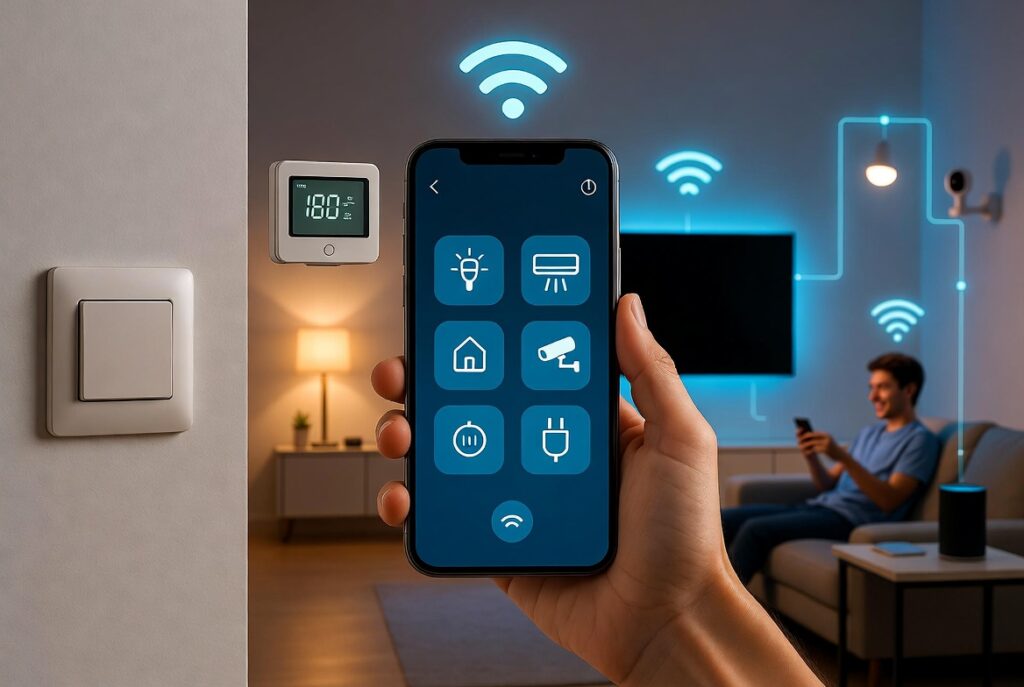
Smart home technology is becoming increasingly popular in India and around the world. In 2026, approximately 44% of people in India are using one or more smart devices such as smart bulbs, smart TVs, smart speakers, and security cameras. However, many people still ask the question, “What is a Smart Home?”

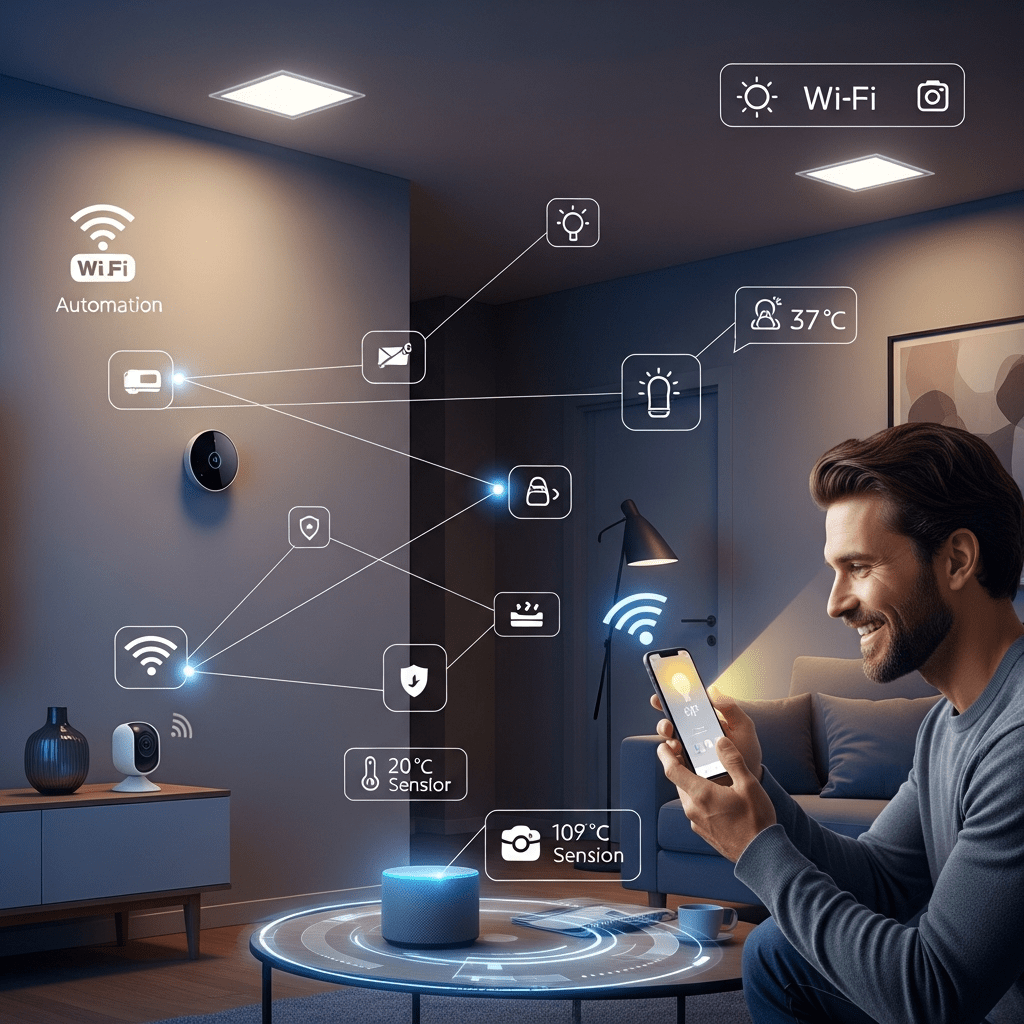
In simple words, a house where devices are connected through the internet and can be controlled automatically or through a smartphone, tablet, or voice assistant.

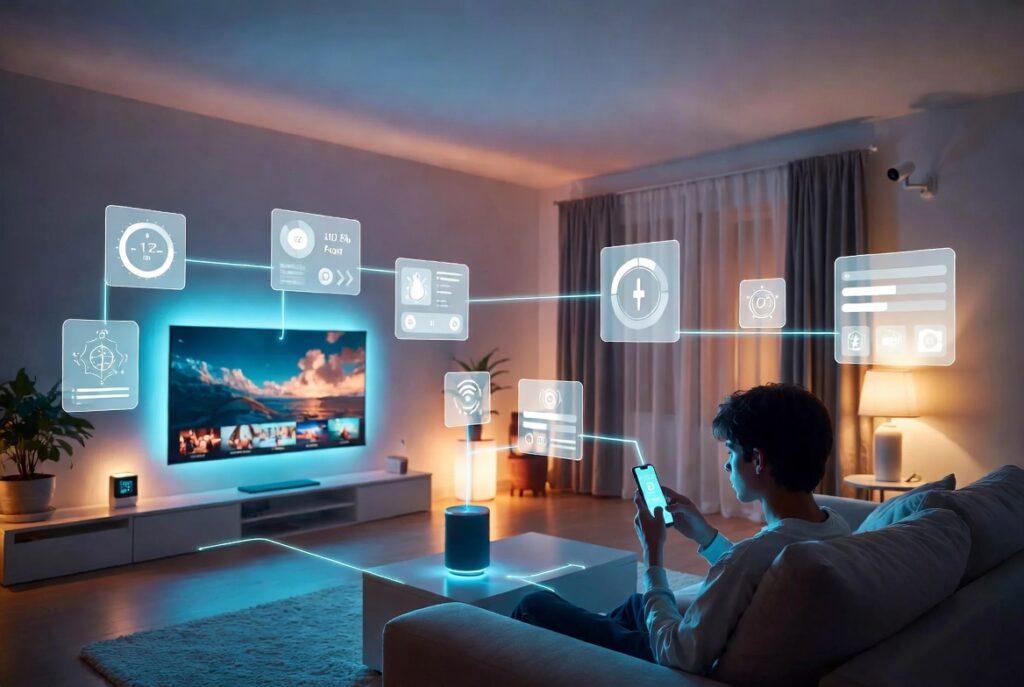
Home automation is transforming the way people live and is making their lives easier, safer, and more comfortable. Whether it is turning lights on or off, adjusting the AC temperature through voice commands, or listening to your favorite songs, this technology is making all of this possible.
In this beginner’s guide, you will learn about smart homes, their benefits, how they work, and how they can become a part of your daily life.

Table of Contents

What is a Smart Home?

There are two clear ways to understand what a smart home truly is:

Definition 1: App-Based Control

The first and most common definition of a smart home is any home feature or device that can be controlled through a mobile app. This is an important distinction because it highlights how modern technology has changed the way we interact with our homes.

At its core, this type of smart home is simply a new form of manual control. Instead of walking to a wall and flipping a light switch, you now use your smartphone to perform the same action. The function remains the same the method has evolved.

During one of the early certification classes attended in this field, conducted by Automated Outlet in Dallas, Texas, the instructor emphasized an important concept: the difference between manual control and true home automation.

Definition 2: The Complete Smart Home Ecosystem

The second definition takes a broader view. It includes everything that falls under the smart home umbrella, such as:

  • Home automation
  • Custom integration
  • Home theater systems
  • Home audio solutions
  • Home security systems
  • The Internet of Things (IoT)

Any technology that connects, communicates, or works together within a home environment can be considered part of a smart home ecosystem.

For example:

  • You can turn off lights using your smartphone.
  • Your smart AC can automatically adjust room temperature.
  • Smart security cameras can send alerts directly to your phone.
  • Smart speakers like Alexa or Google Assistant can control multiple devices with voice commands.

This system is called smart home automation because devices work together automatically with minimal human effort.

How Does Smart Home Technology Work?

Smart home technology works by connecting different devices through the internet so they can communicate with each other and be controlled easily. These smart devices use technologies like Wi-Fi, Bluetooth and Zigbee or Z-wave to send and receive information.

There are three important part of the smart home technology.

1. Smart Devices

Smart devices are electronic gadgets that can connect to the internet and be controlled remotely using a smartphone, tablet, or voice assistant. These devices are an important part of smart home technology because they help automate daily tasks and make life more convenient.

Unlike traditional devices, smart devices can communicate with users and sometimes even with other devices inside the home. For example, a smart thermostat change the temperature of room according the outside temperature or as per your convenient.

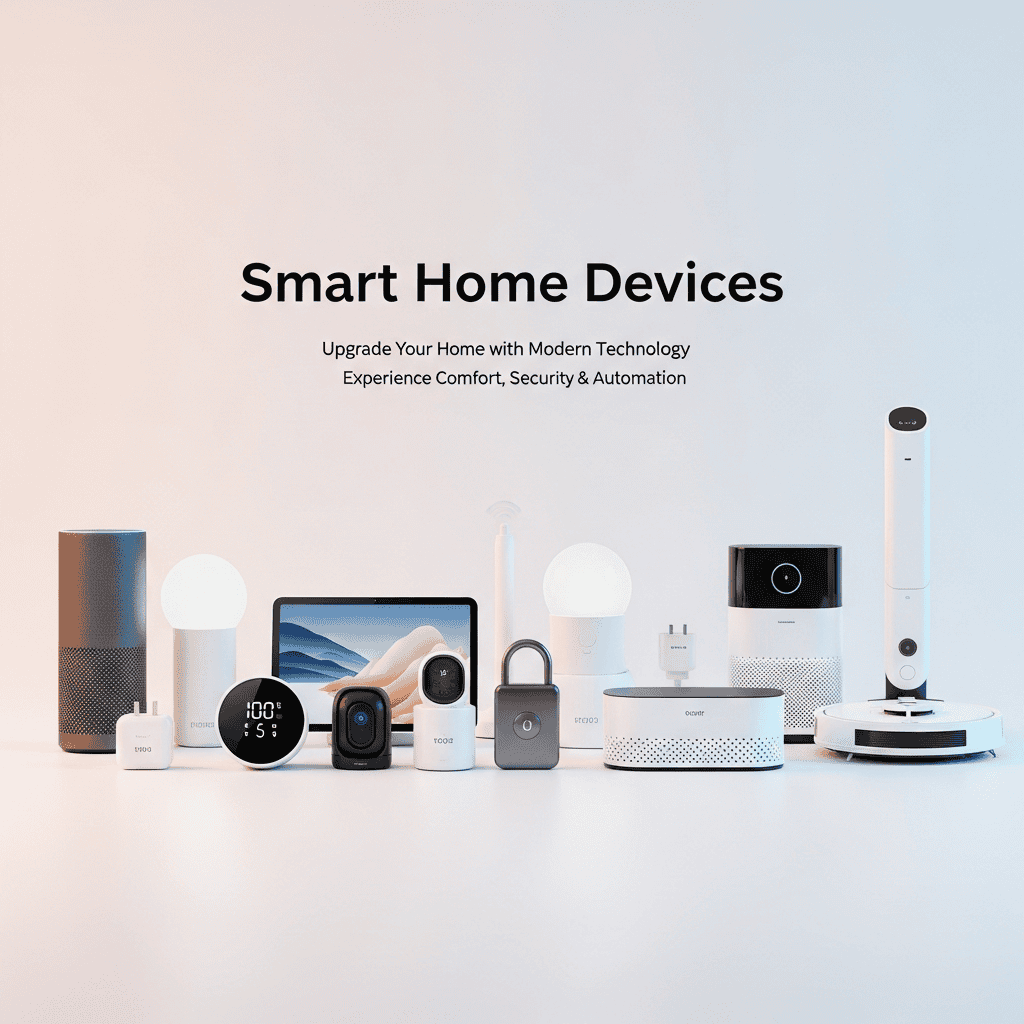
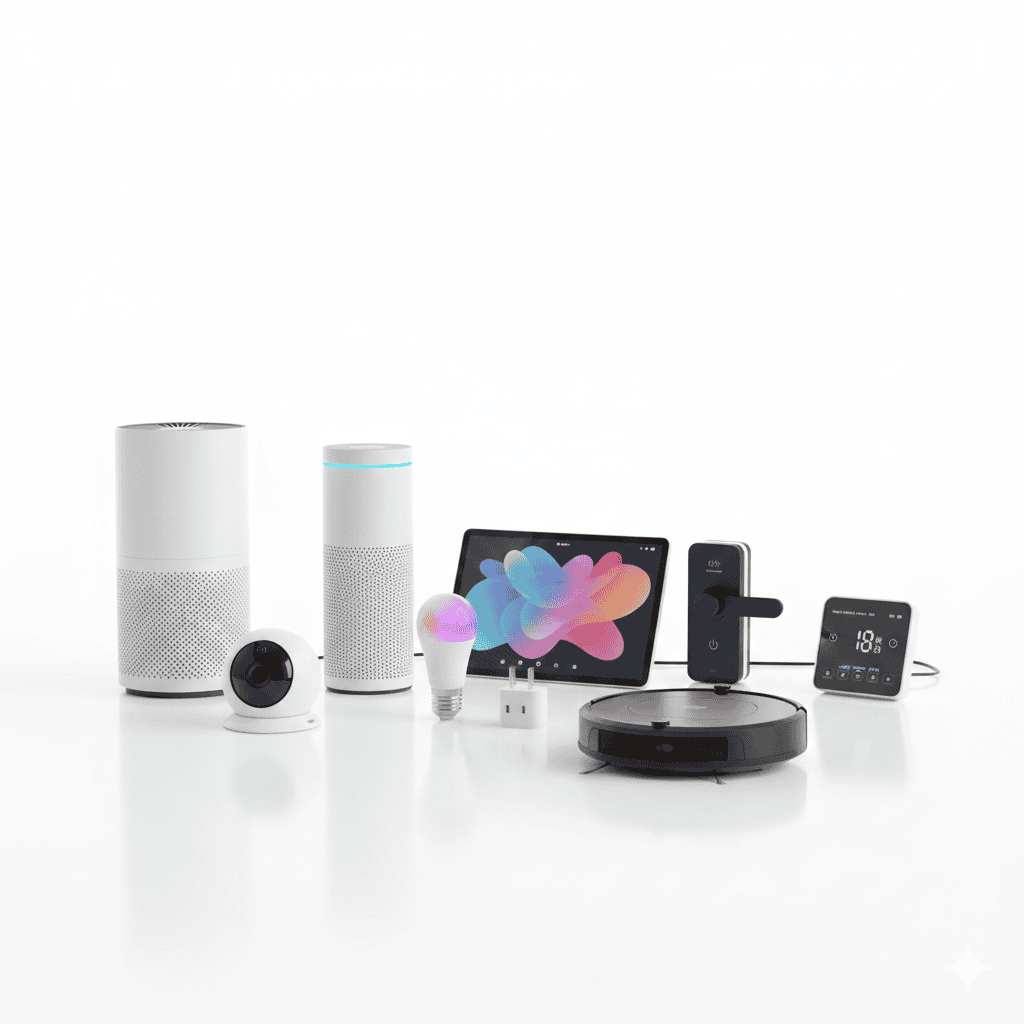
There are many types of smart devices available today. Some popular examples include:

  • Smart lights
  • Smart TVs
  • Smart speakers
  • Smart door locks
  • Smart security cameras
  • Smart fans and ACs
  • Smart plugs

You can check out the 👉 Best smart devices for your smart home.

These devices use technologies like Wi-Fi, Bluetooth, sensors, and Artificial Intelligence (AI) to work efficiently. Many smart devices also allow users to create schedules and automation settings. For instance, you can schedule your lights to turn on automatically in the evening or set your smart AC to cool the room before you arrive home.

One of the biggest advantages of smart devices is convenience. They save time, improve home security, and help reduce electricity usage. Most smart devices are also easy to install and beginner-friendly, which makes them popular among modern homeowners.

In simple words, smart devices are designed to make everyday life easier, smarter, and more comfortable. Humans gave objects internet access so they could finally argue with light bulbs through voice commands. Evolution took an interesting turn there.
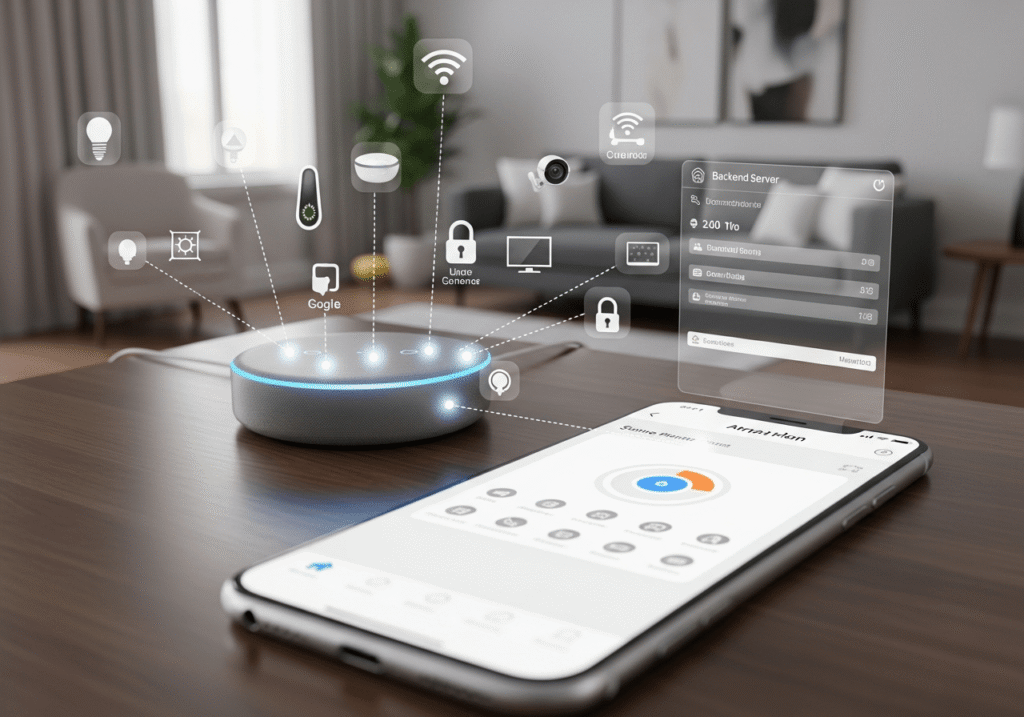
2. Internet Connection

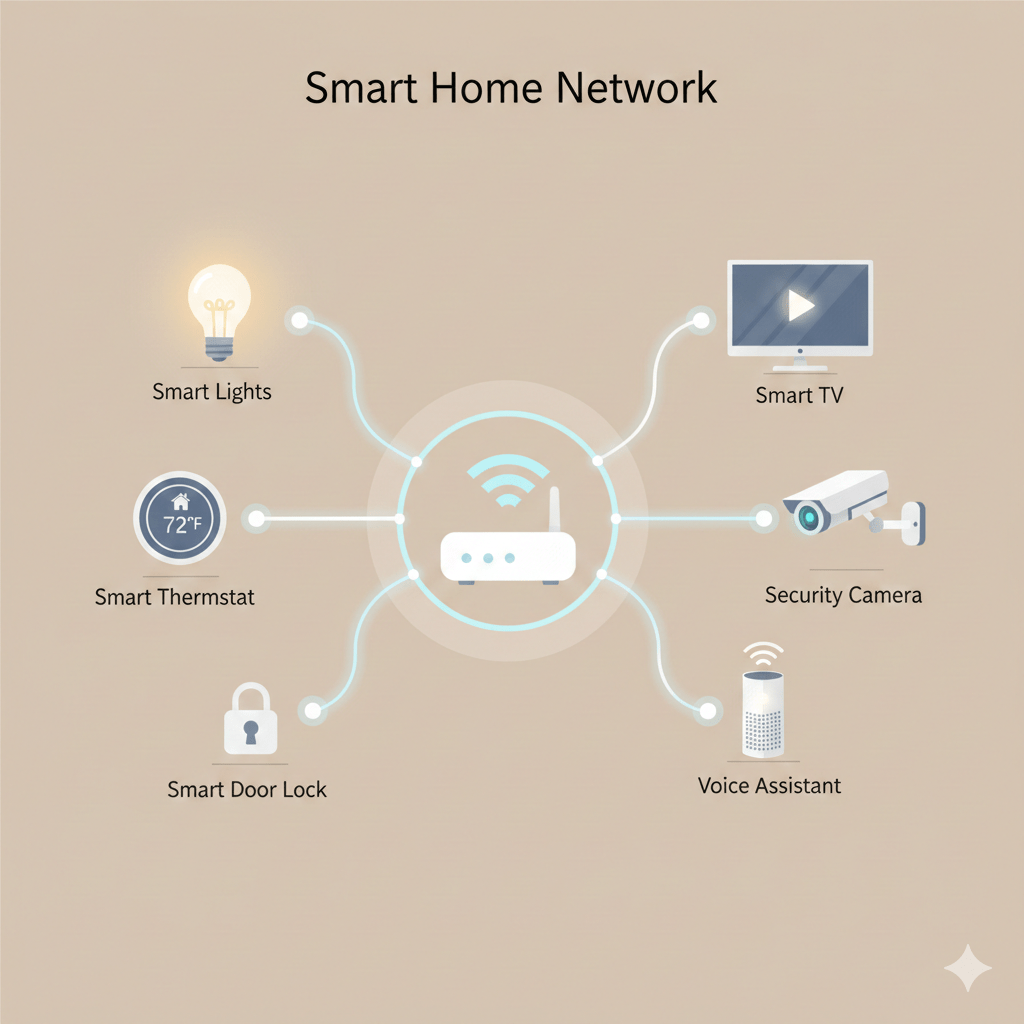
An internet connection is one of the most important parts of a smart home system. Without the internet, most smart devices cannot communicate with each other or be controlled remotely. The internet acts like a bridge that connects all smart devices inside the home.

When a smart device such as a smart bulb, smart TV, or smart security camera connects to Wi-Fi, it becomes part of the smart home network. After connecting, users can control these devices through mobile apps or voice assistants like Alexa and Google Assistant.

For example, if you are outside your home and want to check your security camera, the internet helps send live video directly to your smartphone. Similarly, you can turn off lights, adjust AC temperature, or lock doors remotely using an internet connection.

A stable and fast Wi-Fi connection is very important for smart home automation. If the internet is slow or disconnected, some devices may not work properly or respond on time. That is why many people use good-quality routers for better smart home performance.

Some smart devices also use Bluetooth or Zigbee technology, but most modern smart home systems mainly depend on Wi-Fi and internet access.

In simple words, the internet is the backbone of smart home technology. It allows devices to share information, follow commands, and work together smoothly. Humans connected refrigerators, lights, cameras, and door locks to the internet and somehow decided this was less complicated than pressing a button manually. Miraculously, sometimes it actually is.

3. Control System

The control system is the main part of a smart home that allows users to manage and control all smart devices easily. It works like the “brain” of the smart home because it sends commands to devices and helps them work together smoothly.

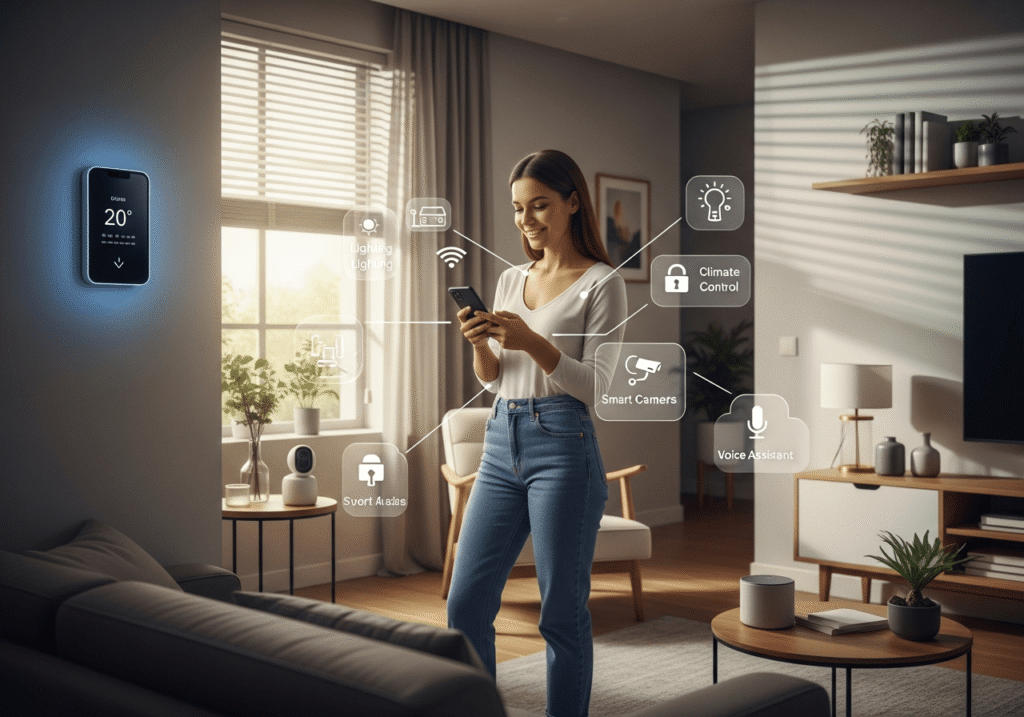
In most smart homes, the control system is managed through a smartphone app, tablet, or voice assistant such as Amazon Alexa, Google Assistant, or Apple Siri. Users can control devices from anywhere as long as they have an internet connection.

For example, if you want to turn off your bedroom lights without getting up, you can simply open the mobile app or use a voice command like:
“Alexa, turn off the bedroom lights.”

The control system sends the command through the internet, and the smart bulb responds immediately.

One of the biggest benefits of a smart home control system is automation. Users can create schedules and routines for daily activities. For instance:

  • The lights can on – off automatically when necessary
  • AC can switch off at midnight
  • Security cameras can send alerts when motion is detected

Many smart home apps also allow users to control multiple devices from one place. This makes home management simple and convenient, especially for beginners.

Modern control systems are designed to be user-friendly, so people do not need technical knowledge to use them. In simple words, the control system helps smart devices understand what users want and when they should perform certain tasks. Humans essentially created digital house managers because remembering to switch off a fan became too emotionally demanding for the species.

Advantages and Disadvantages of smart home.

Advantages

1. Better Convenience

One of the biggest advantages of smart home technology is convenience. Users can control lights, fans, TVs, ACs, and other devices using a smartphone or voice assistant. This means you do not always need to walk to switches or manually operate devices. For busy people, smart home automation can save time and make daily tasks easier. Simple features like automatic lights or voice-controlled appliances make everyday living more comfortable and modern.

2. Improved Home Security

Smart home devices can improve home security in many ways. Smart security cameras, smart door locks, and motion sensors help users monitor their homes in real time. If someone enters your house or unusual movement is detected, you can receive instant alerts on your phone. Many smart cameras also provide live video access from anywhere. Humans spent years buying stronger locks and eventually decided the lock itself should start sending notifications. Strange journey, but effective.

3. Energy Saving

Smart home technology can help reduce electricity consumption. Devices like smart bulbs, smart thermostats, and smart plugs automatically turn off when not in use. Users can also create schedules for appliances to avoid unnecessary power usage. This not only saves electricity but can also lower monthly electricity bills. In countries like India where electricity costs continue to rise, energy-saving smart devices are becoming increasingly useful for many households.

4. Remote Access and Control

Another major benefit is remote access. Users can control their smart devices from anywhere using the internet. For example, you can switch off lights after leaving home or check security cameras while traveling. This feature provides both convenience and peace of mind. Remote access is especially helpful for people who travel frequently or forget to turn off appliances before leaving home.

Disadvantages

1. High Initial Cost

One common disadvantage of smart home technology is the setup cost. Some smart devices can be expensive, especially if users want to automate the entire house. Products like smart locks, security systems, and advanced automation hubs may require a bigger budget. Although prices are becoming more affordable, complete smart home systems can still be costly for many beginners.

2. Internet Dependency

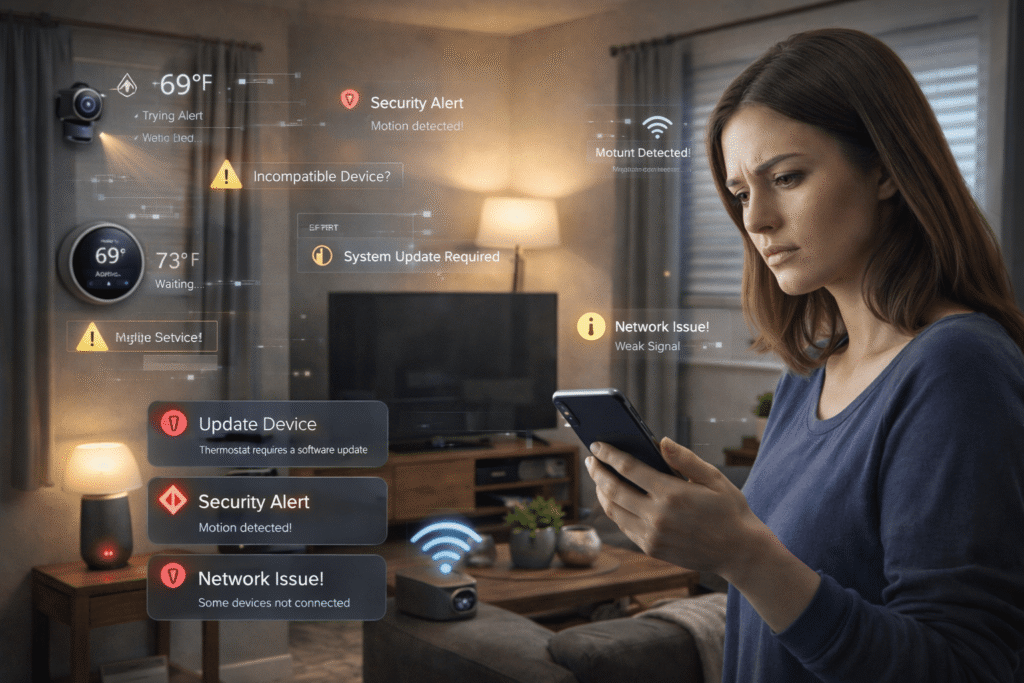
Most smart home devices depend heavily on a stable internet connection. If the Wi-Fi stops working or internet speed becomes slow, some devices may not function properly. Voice assistants and remote-control features may also stop responding. This can sometimes create frustration for users. Modern homes are becoming so internet-dependent that even a light bulb now throws attitude when Wi-Fi disappears for five minutes.

3. Privacy and Security Risks

Smart devices collect and share data through the internet, which can create privacy concerns. If security settings are weak, hackers may try to access smart cameras or personal information. That is why users should always use strong passwords, update device software regularly, and buy products from trusted brands. Proper cyber security is very important in any smart home setup.

4. Technical Problems and Compatibility Issues

Sometimes smart devices from different brands may not work smoothly together. Users may face app errors, connection problems, or software bugs. Beginners who are not familiar with technology can also find the setup process confusing at first. Although most modern devices are user-friendly, occasional technical issues are still common in smart home systems.

FAQs

What is a smart home in simple words?

A smart home is a home where devices can be controlled remotely using smartphones, apps, or voice assistants.

Smart bulbs, smart TVs, smart speakers, smart locks, and smart security cameras are common smart home devices.

Yes, smart home devices help reduce electricity consumption through automation and scheduling features.

Yes, smart homes are generally safe if users follow proper cybersecurity practices like strong passwords and software updates.

Amazon Alexa and Google Assistant are among the most popular smart home assistants.

Conclusion

Smart home technology is transforming modern living by making homes smarter, safer, and more efficient.

From smart lights and security cameras to voice-controlled assistants and automated appliances, smart homes provide convenience, comfort, and better energy management.

Although there are some disadvantages such as internet dependency and setup costs, the benefits of smart home automation continue to attract more users worldwide.

For beginners, starting with simple devices like smart bulbs, smart plugs, or smart speakers is a great way to enter the world of smart home technology.

As technology continues to grow, smart homes are expected to become an important part of future living.

I hope you found this article helpful and informative. Subscribe to our newsletter  to receive the latest smart home articles, guides, and updates directly to your inbox.

Leave a Comment

Your email address will not be published. Required fields are marked *

Scroll to Top