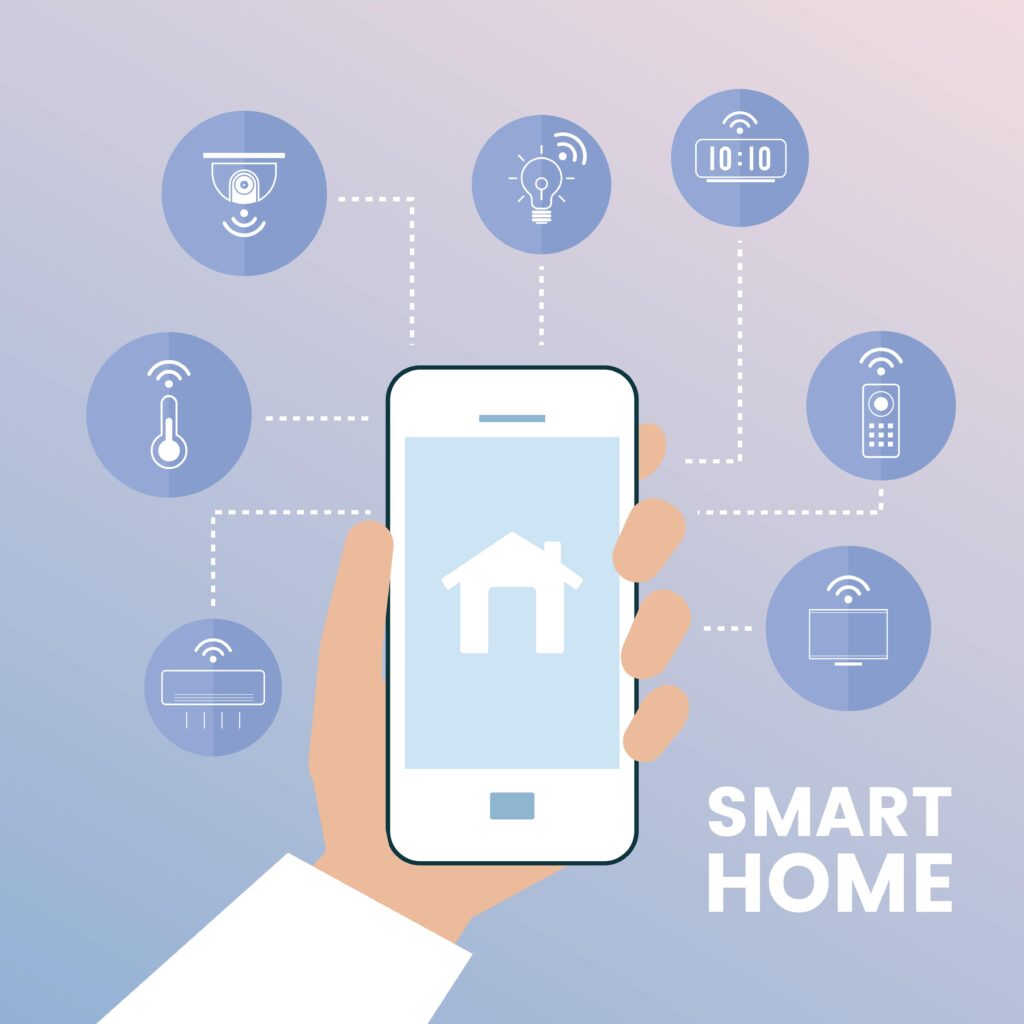
Top 10 Devices That Make Your Home Smart.
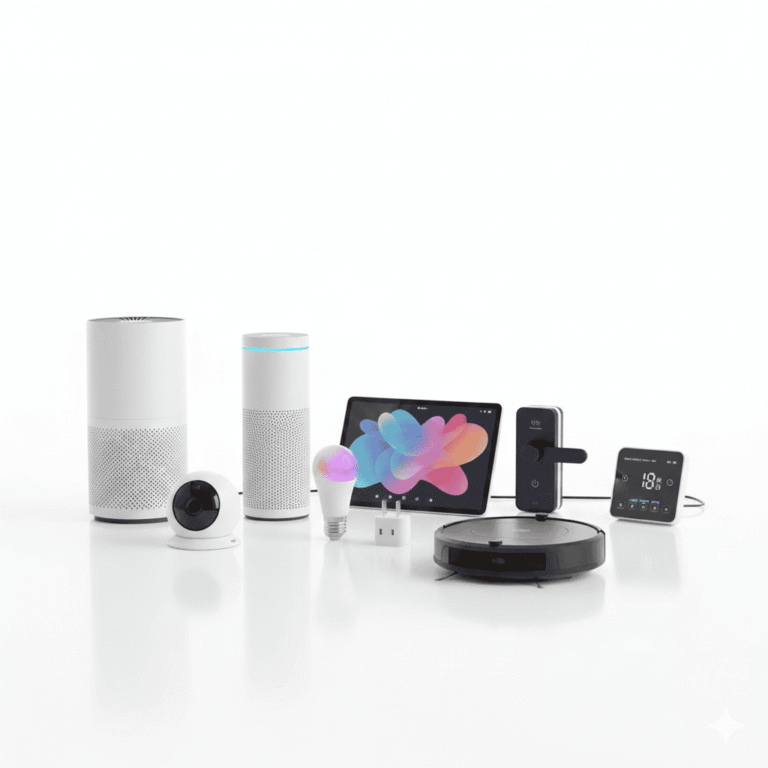
Think about coming home after a long day — without touching a switch, the lights brighten up, the fan or AC starts automatically, and your favorite music plays in the background. Sounds satisfying, right? This is exactly what smart home devices are designed to do. They make your home more comfortable, secure, and convenient using technology that works through Wi-Fi, apps, or voice commands.
Smart home gadgets are becoming popular because they save time, reduce effort, and help you manage daily tasks more smoothly. From smart bulbs that change brightness with a tap, to voice assistants that answer your questions, and security cameras that let you monitor your home from anywhere — the possibilities are endless.
If you are new to smart home technology or planning to upgrade your current setup, you’re in the right place. In this blog, we will look at the best smart home devices that can transform an ordinary home into a smart one. Each device we discuss will help you understand why it’s useful, how it works, and how it can make your lifestyle better.
Table of Contents
What are Smart Home Devices?
Smart home devices are electronic gadgets that connect to the internet and allow you to control your home appliances with just your smartphone, voice commands, or automation. Instead of manually switching on lights or adjusting the AC temperature, you can do everything with a tap or even without touching anything — the device will work automatically based on your settings.
These devices communicate with each other through Wi-Fi, Bluetooth, or smart hubs, creating a connected environment where everything works together smoothly. For example, a smart bulb can turn off automatically when you leave the house, or a smart camera can send alerts to your phone if it detects motion.
In simple words, smart home devices make your home more intelligent, helping you save energy, improve security, and add convenience to your daily lifestyle. Whether it’s controlling appliances remotely or automating routine tasks, they are designed to make living easier, faster, and more comfortable.
Here Are the Smart Devices That Can Transform Your Home
1. Smart Speakers & Smart Displays
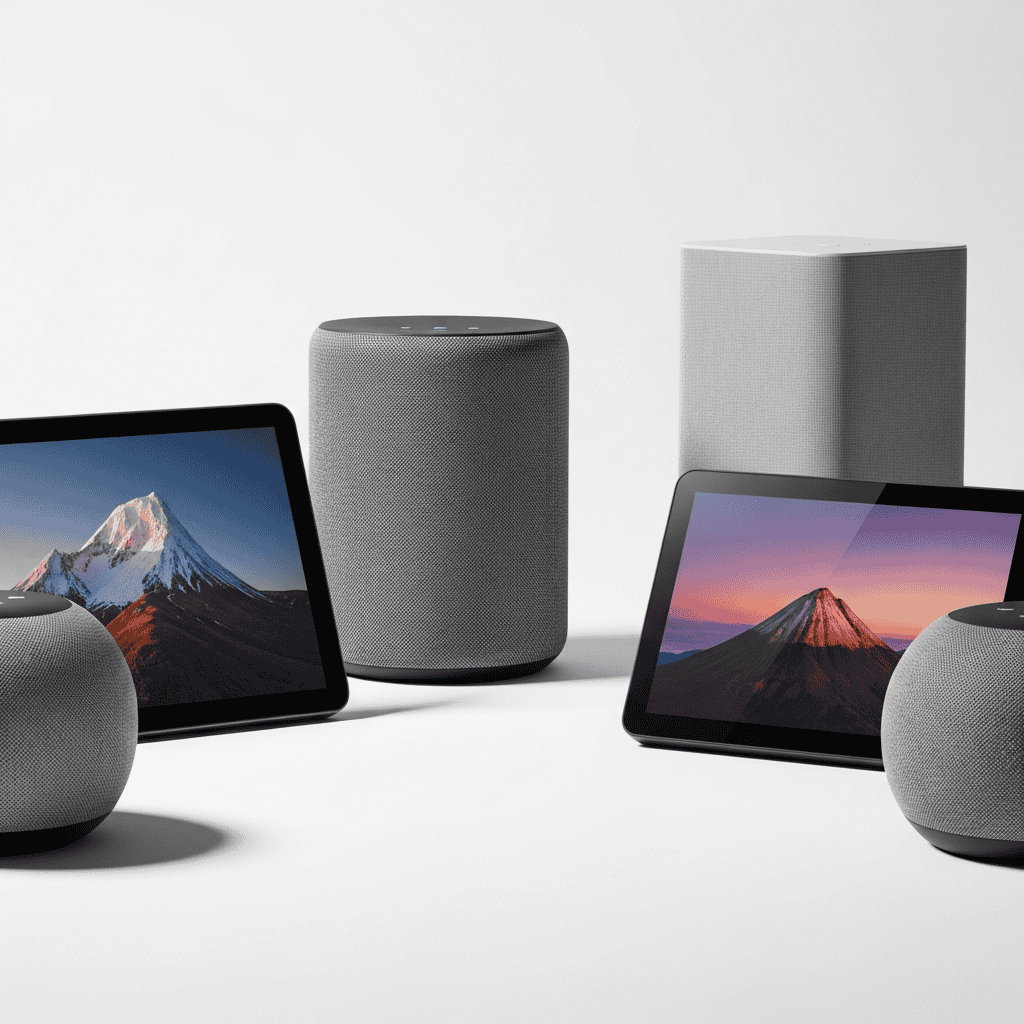
Smart Speakers and Smart Displays are the heart of every smart home setup. They work as your home’s voice-controlled assistant, allowing you to control multiple devices using simple voice commands like “Turn off the lights” or “Play music”.
These devices come with built-in virtual assistants such as Amazon Alexa, Google Assistant, and Apple Siri, making them more than just speakers — they become your personal helper for day-to-day tasks.
How Smart Speakers & Displays Work
Smart speakers use Wi-Fi to connect with your smartphone and other smart home devices. Once set up using their respective apps (Alexa app, Google Home app, HomeKit, etc.), you can:
- Ask questions and get instant answers
- Control smart bulbs, plugs, cameras, and more
- Play music, podcasts, or radio
- Get news updates, weather forecasts, reminders
- Automate daily routines (morning routine, bedtime routine, etc.)
Smart displays work the same way but include a touch screen display. This allows you to watch videos, view camera feeds, check recipes while cooking, or make video calls right from the device.
Popular Examples of Smart Speakers & Displays
Product Type
Smart Speakers
Smart Displays
Advantages of Smart Speakers & Displays
- Hands-free control using voice commands
- Helps manage daily tasks efficiently
- Works as a central hub for smart home devices
- Great for entertainment — music, movies, videos
- Can display information visually (in smart displays)
- Ideal for reminders, alarms, shopping lists, and calls
Disadvantages of Smart Speakers & Displays
- Requires stable Wi-Fi for smooth functioning
- Some features depend on compatible smart devices
- Privacy concerns for users uncomfortable with voice assistants
- Smart displays can be slightly costly than regular speakers
Smart Speakers & Displays are perfect for beginners starting their smart home journey. They are easy to set up, user-friendly, and offer convenience that truly feels futuristic. If you want to control your home with just your voice and make daily tasks effortless, this is one of the best devices to begin with.
2. Smart Lights
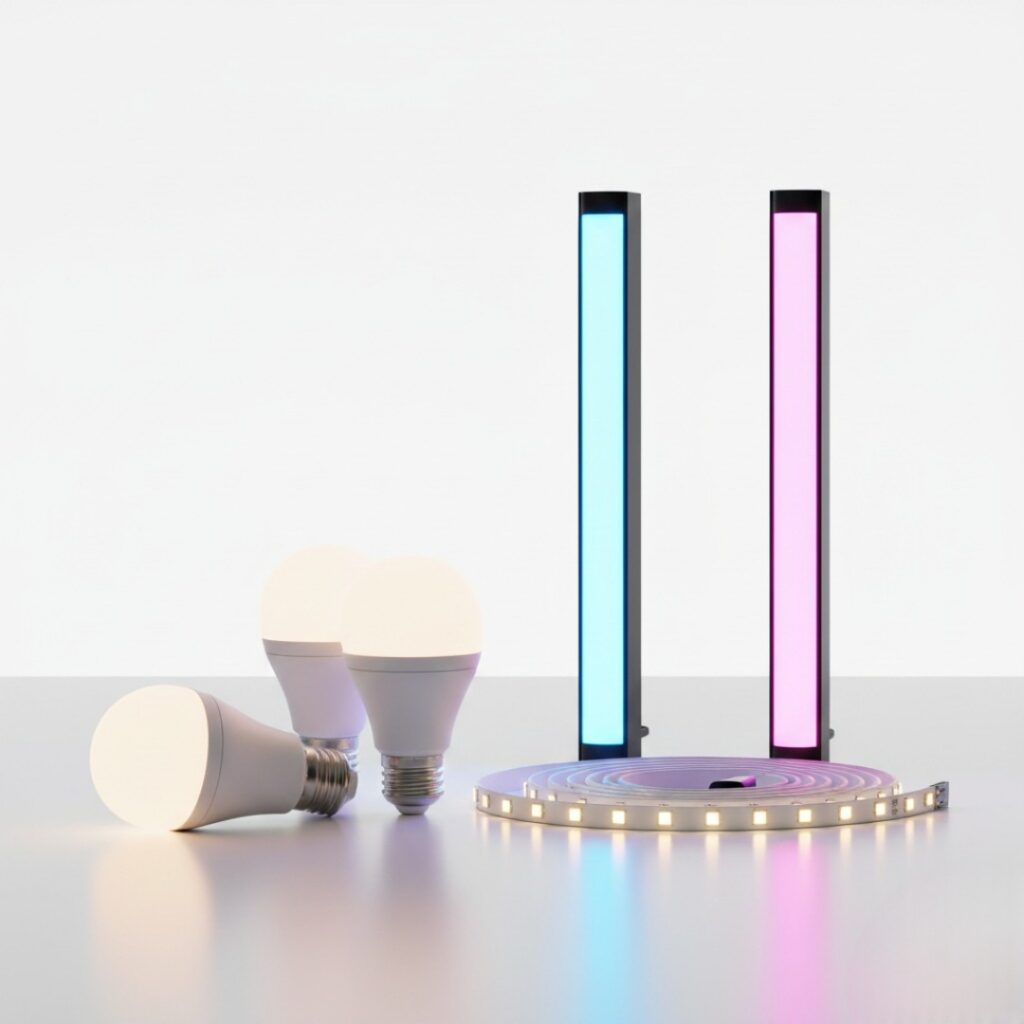
Smart Lights are one of the most popular and beginner-friendly smart home devices. These lights allow you to control brightness, color, and power using your smartphone or voice commands. Whether you want a relaxing warm tone for evenings or a bright white light for focused work — smart lights can change the atmosphere of your room instantly.
You can schedule them to turn on in the morning, dim at night, or even sync with music for party vibes. Many smart bulbs work with Alexa, Google Assistant, and Siri, making them convenient for hands-free control.
How Smart Lights Work
Smart lights connect to your home’s Wi-Fi or through a smart hub/bridge depending on the brand. Once paired using an app, you can:
- Turn lights ON/OFF remotely
- Adjust brightness and choose different colors
- Set timers and routines
- Control them with voice commands
- Create mood lighting for different activities
Some advanced lights even come with motion sensors, so they automatically turn on when you enter a room and turn off when no one is there — helping you save energy.
Popular Examples of Smart Lights
Product Type
Smart Bulbs
Smart Light Strips
Smart Lamps & Panels
Advantages of Smart Lights
- Easy to control using mobile or voice
- Energy-efficient and long-lasting
- Customizable brightness and color options
- Can be automated based on routines or schedules
- Enhances room ambience for work, movies, or sleep
- Helps reduce electricity usage over time
Disadvantages of Smart Lights
- Costly than traditional bulbs
- Requires Wi-Fi or hub depending on the model
- Some lights don’t support all voice assistants
- Full features sometimes need brand-specific apps
Smart lights are a fantastic entry point into the world of smart home automation. They instantly upgrade any room with comfort, mood lighting, and convenience. If you want your home to look smart and modern with minimal effort, smart lighting is definitely worth considering.
3. Smart Plugs
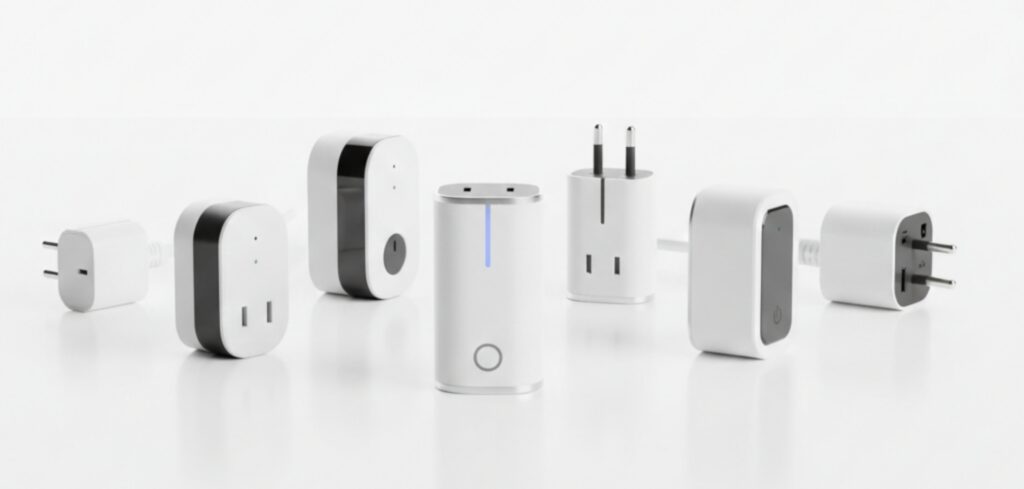
Smart Plugs are small but powerful devices that can instantly turn your ordinary appliances into smart ones. Just plug a smart plug into the wall socket and connect your device — like a lamp, fan, kettle, or charger — and now you can control it using your smartphone or voice commands. They are perfect for people who want to start building a smart home without replacing existing electronics.
Smart plugs make life more convenient by allowing you to turn devices ON/OFF from anywhere, schedule usage, and even monitor power consumption on some models
How Smart Plugs Work
Smart plugs connect to Wi-Fi and are controlled through apps such as Alexa, Google Home, or brand-specific apps. Once set up, you can:
- Turn appliances ON/OFF remotely
- Schedule power timing (e.g. turn off fan at 2 AM)
- Automate daily routines
- Control devices using voice commands
- Track energy usage (in advanced plugs)
You can even automate your home — like switching on a lamp at sunset or turning off the geyser automatically after 30 minutes.
Popular Examples of Smart Plugsk
Product Type
Wi-Fi Smart Plugs
Heavy Load Smart Plugs
Advantages of Smart Plugs
- Turns normal appliances into smart devices
- Easy to install and beginner-friendly
- Saves energy with schedules and automation
- Remote access from anywhere
- Voice control compatibility
- Helps prevent overheating or long running usage
Disadvantages of Smart Plugs
- Requires stable Wi-Fi to function
- Heavy appliances need compatible high-load plugs
- May not support very old or high power devices
- Slightly more expensive than regular plugs
Smart plugs are one of the most useful devices for smart homes, especially for people who want automation without replacing appliances. If you want remote control, energy-saving, and voice-enabled convenience at a low cost, smart plugs are an excellent investment.
4. Smart Security Cameras & Doorbell cameras
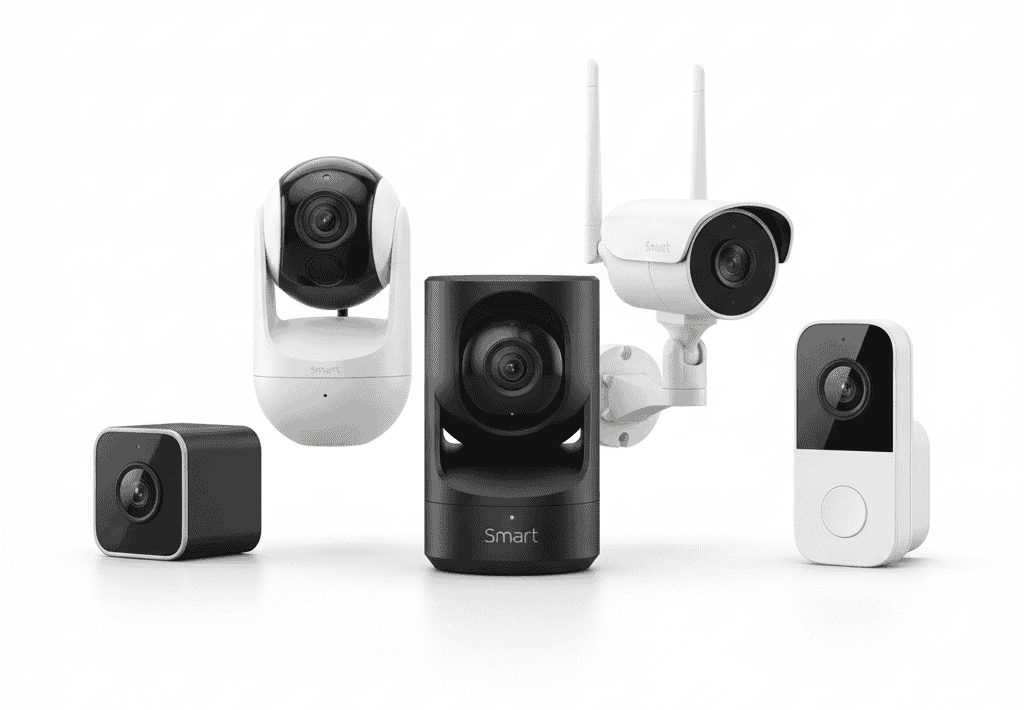
Smart Security Cameras are essential for keeping your home safe and giving you peace of mind when you’re away. Unlike traditional CCTV cameras, smart cameras allow you to view live footage directly on your smartphone and send instant alerts if they detect motion or unusual activity. Whether you are at work, traveling, or simply in another room, you can always keep an eye on your home in real time.
With features like night vision, two-way audio, cloud storage, and AI motion detection, these cameras offer advanced security that is easy to manage.
How Smart Security Cameras Work
Smart cameras connect to your Wi-Fi network and stream footage to a mobile app. Once installed and paired, you can:
- Watch live video from anywhere
- Get alerts for motion or sound detection
- Talk through built-in mic and speaker (two-way communication)
- Record and store footage locally or on the cloud
- View night vision footage even in low light
- Integrate with voice assistants for display viewing
Some models also support human detection, face recognition, and auto-tracking for enhanced protection.
Popular Examples of Smart Security Cameras
Product Type
Indoor Cameras
Outdoor Cameras
Doorbell Cameras
Advantages of Smart Security Cameras
- Monitor home remotely in real-time
- Motion alerts increase safety and awareness
- Night vision ensures 24/7 surveillance
- Two-way voice communication to talk to visitors
- Supports cloud or local storage for recordings
- Crime prevention and quick response during emergencies
Disadvantages of Smart Security Cameras
- Requires stable internet for smooth video streaming
- Cloud storage plans may cost extra
- Privacy concerns if not properly secured
- Outdoor cameras need proper installation and weather resistance
Smart security cameras are highly recommended for every smart home setup. They not only boost security but also give you confidence when you’re away from home. Whether you want to monitor kids, check deliveries, or secure the entrance, smart cameras act as your digital guard — alert, reliable, and always active.
5. Smart Locks
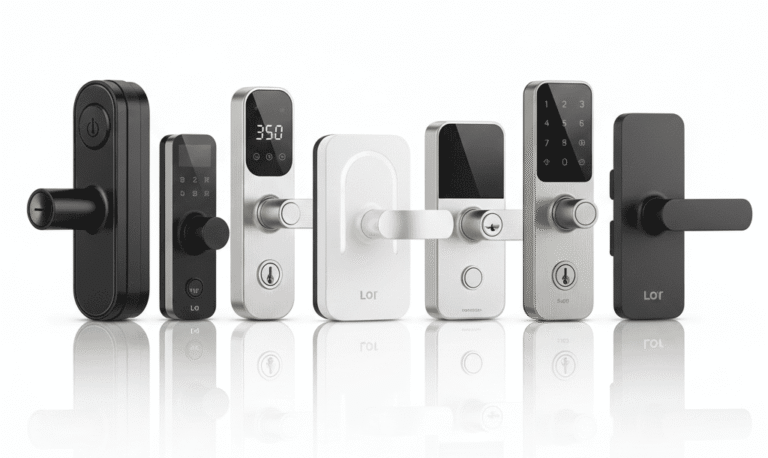
Smart Locks add a new level of convenience and security to your home by allowing you to lock or unlock your door without using a traditional key. Instead, you can use your smartphone, PIN code, fingerprint, or even voice commands to access your home. They are especially helpful when you’re in a hurry, carrying groceries, or want to give temporary access to guests without handing over a physical key.
With smart locks, you no longer have to worry about forgetting keys — everything is managed digitally and securely.
How Smart Locks Work
Smart locks connect to your home Wi-Fi or Bluetooth and pair with a mobile app. Once set up, you can:
· Lock/unlock doors remotely
· Create temporary access codes for guests or house help
· Get alerts if someone tries to unlock the door
· Use fingerprint/PIN/voice for keyless entry
· Check lock status anytime from your phone
Some advanced locks even detect when you’re close to the door and automatically unlock it for hands-free entry.
Popular Examples of Smart Locks
Product Type
Fingerprint + App Locks
Video Door Locks
Bluetooth/Wi-Fi Locks
Advantages of Smart Locks
- Keyless entry for comfort and convenience
- Remote access from anywhere
- Share digital keys with family or guests
- Enhanced security alerts and access logs
- Multiple unlocking options (PIN, fingerprint, app, RFID)
Disadvantages of Smart Locks
- More expensive than traditional locks
- Needs batteries or power backup
- Requires proper installation
- Internet issues may affect remote access
Smart locks are a powerful addition to any smart home. They make entering your home faster, safer, and more intelligent. If security and convenience matter to you, installing a smart lock is a smart decision that brings peace of mind and modern living to your doorstep.
6. Smart Thermostats & AC Controllers
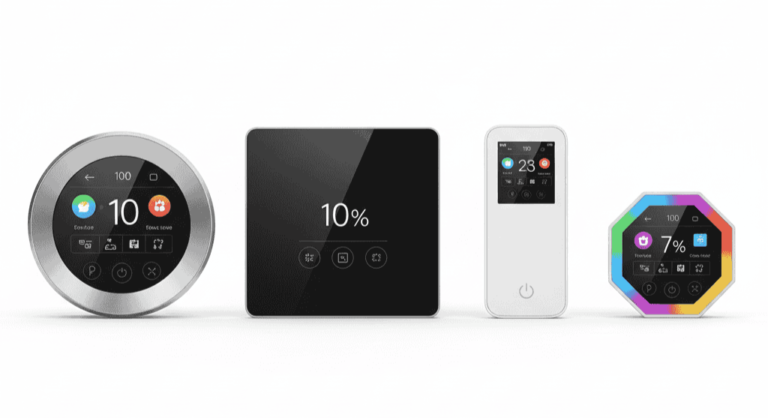
Smart Thermostats and AC Controllers are devices designed to make temperature control more efficient, comfortable, and energy-saving. Instead of manually adjusting your AC or thermostat, these devices learn your routine and maintain the ideal temperature automatically. You can change settings from your smartphone, even when you’re not at home, or simply use voice commands like “Alexa, turn on the AC”.
They are perfect for people who want better comfort during hot summers or cold winters without wasting electricity.
How Smart Thermostats & AC Controllers Work
These devices connect to your home Wi-Fi and pair with apps such as Google Home, Alexa, or brand-specific apps. Once set up, you can:
- Control temperature remotely
- Schedule cooling/heating routines
- Monitor power consumption and save energy
- Use voice commands for hands-free control
- Maintain ideal temperature based on habits
- Get alerts when the room becomes too hot or cold
Some advanced controllers even have AI learning, which adjusts the temperature automatically based on your usage pattern.
Product Type
Smart Thermostats
Smart AC Controllers
Popular Examples of Smart Thermostats & AC Controllers
- Remote temperature control for comfort anywhere
- Saves electricity with automation and scheduling
- Voice assistant support for easy operation
- Ideal for maintaining consistent room temperature
- Helpful alerts and reports for energy savings
- Reduces unnecessary cooling/heating time
Disadvantages of Smart Thermostats & AC Controllerss
- Higher upfront cost than regular controllers
- Not all models support every AC unit
- Requires stable Wi-Fi for app control
- Setup may require basic technical knowledge
Smart Thermostats and AC Controllers are worth considering if you want to maintain comfort while also saving on electricity bills. They bring automation to your cooling/heating system and ensure your home stays at the perfect temperature all year round — without manual effort.
7. Smart Robot Vacuums
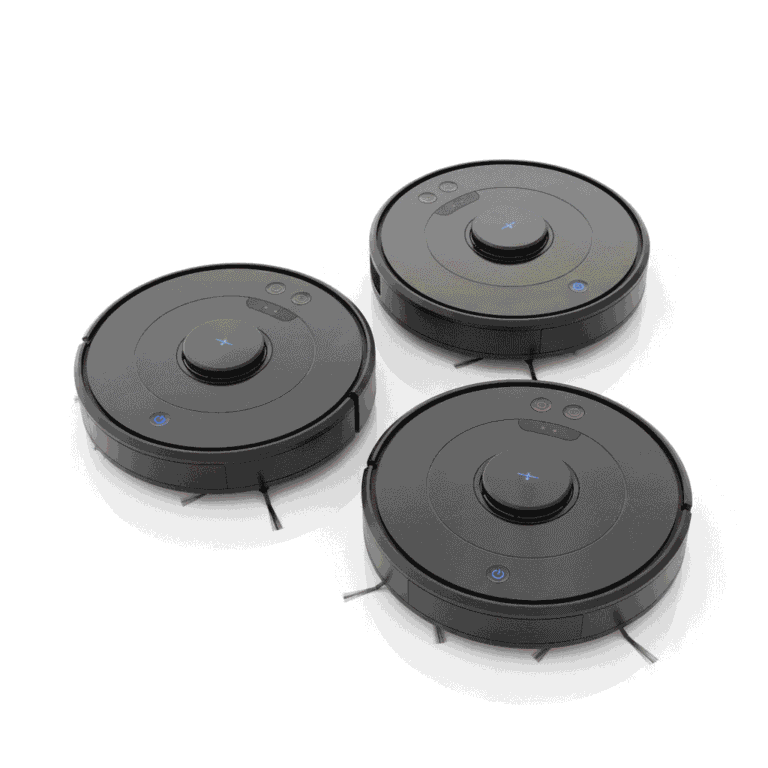
Smart Robot Vacuums are intelligent cleaning devices that automatically sweep and vacuum your floors without manual effort. They are equipped with sensors that help them navigate around furniture, avoid obstacles, and clean every corner of your home efficiently. With just one tap or a scheduled routine, the robot vacuum can start cleaning even when you’re not home — perfect for people with busy lifestyles.
Some models also come with mopping features, making them an all-in-one cleaning companion for your home.
How Smart Robot Vacuums Work
Robot vacuums connect to your Wi-Fi network and are controlled using smartphone apps like Mi Home, iRobot Home, or Alexa/Google Assistant integration. Once set up, you can:
- Start, pause, or schedule cleaning remotely
- View cleaning maps and tracking in the app
- Set restricted areas where the vacuum shouldn’t go
- Control with voice commands
- Automatically recharge and resume cleaning
- Clean specific rooms or zones
Advanced models also use LiDAR or camera navigation for smart mapping and better accuracy.
Popular Examples of Smart Robot Vacuums
Product Type
Robot Vacuum Cleaners
Vacuum + Mop Combo
Examples
iRobot Roomba, Mi Robot Vacuum Mop, Ecovacs Deebot
Roborock S7, Dreame L10 Pro, Eufy RoboVac Series
Advantages of Smart Robot Vacuums
- Automatic cleaning with minimal human effort
- Saves time — great for working individuals
- Scheduled cleaning keeps home dust-free
- Smart navigation avoids obstacles
- Some models offer vacuum + mop in one device
- Works with voice commands and mobile apps
Disadvantages of Smart Robot Vacuums
- More expensive than manual vacuum cleaners
- May struggle with thick carpets or uneven floors
- Dust bin needs cleaning after use
- Requires regular maintenance for brushes and filters
Smart Robot Vacuums are a game-changer for modern homes, offering hands-free cleaning and maintaining a tidy environment effortlessly. If you want to reduce your daily workload and enjoy a cleaner home without spending time sweeping, a robot vacuum is a smart and practical investment.
8. Smart Air Purifiers
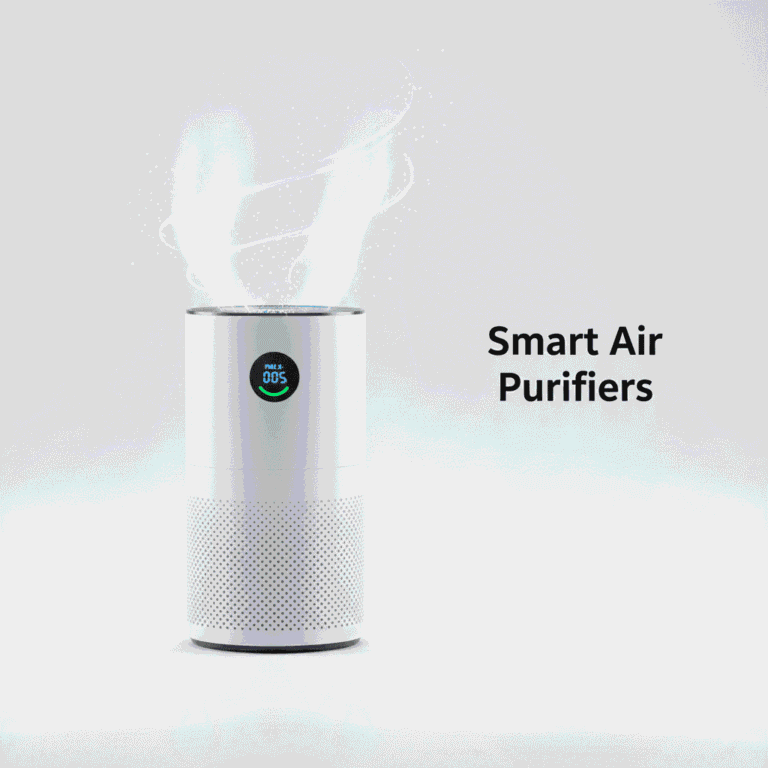
Smart Air Purifiers are devices designed to improve your indoor air quality by removing dust, smoke, allergens, pet hair, and harmful particles from the air. What makes them smart is their ability to monitor air quality in real-time and adjust purification settings automatically. With an app on your smartphone, you can check air quality levels, change fan speed, schedule operations, and even control it using voice commands.
They are especially useful for cities with pollution, homes near roads, or for people with allergies, asthma, or breathing problems.
How Smart Air Purifiers Work
Smart air purifiers use filters like HEPA, Activated Carbon, or UV light to trap dust and pollutants. Once connected to Wi-Fi and paired with the app, you can:
- Monitor indoor air quality (PM2.5, AQI)
- Turn the purifier ON/OFF remotely
- Set schedules for automatic operation
- Receive alerts when filter needs replacement
- Use voice commands with Alexa/Google Assistant
- Auto-mode adjusts purification when pollution rises
Some advanced models even show live AQI on a digital display.
Popular Examples of Smart Air Purifiers
Product Type
Home Air Purifiers
Compact Room Purifiers
Heavy Duty Purifiers
Examples
Mi Smart Air Purifier, Dyson Pure Cool, Philips 3000 Series
Honeywell Air Touch, Coway Airmega Series
Blueair Classic, Sharp Plasmacluster Purifiers
Advantages of Smart Air Purifiers
- Automatically keeps air clean and healthy
- Reduces dust, smoke, allergens, and odors
- Real-time AQI monitoring for awareness
- Remote and voice-controlled operation
- Ideal for children, elderly, and pets
Disadvantages of Smart Air Purifiers
- Filters require periodic replacement
- Some models can be expensive
- Needs electricity to run continuously
- Large rooms may need higher-capacity purifiers
Smart Air Purifiers are a thoughtful addition to any smart home, especially if you want a cleaner and healthier indoor environment. With automation and real-time monitoring, you can ensure you and your family breathe fresh air every day — effortlessly.
9. Smart Home Hubs
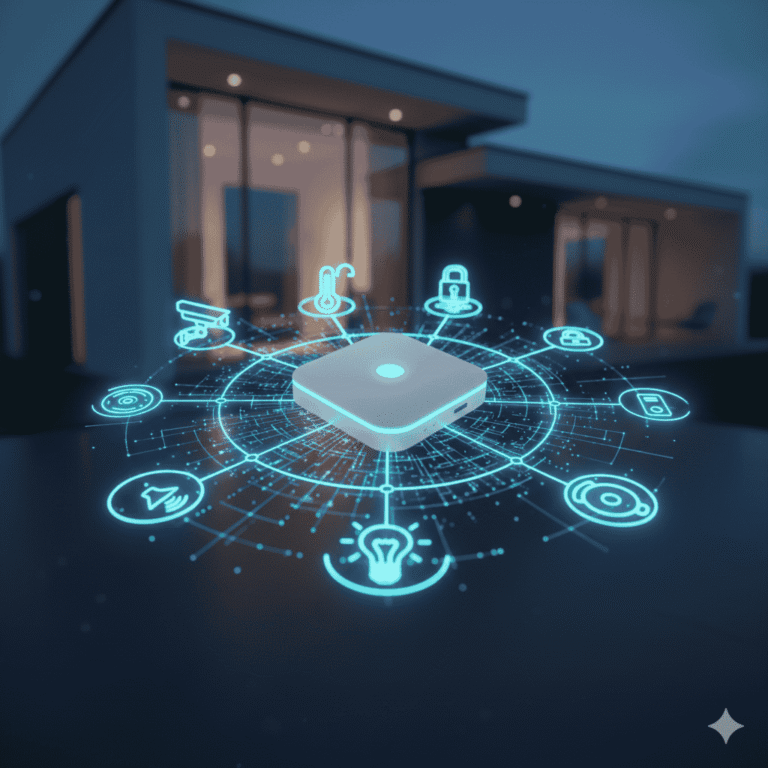
Smart Home Hubs act as the central brain of your smart home system. Instead of controlling every device separately through different apps, a smart hub allows you to manage all smart devices from a single platform. It connects lights, plugs, cameras, locks, sensors, thermostats, and other smart appliances so they can work together seamlessly.
With a smart hub, you can create powerful automation like “When I say Good Night, turn off all lights, lock the door, and lower the AC” — all in one command.
How Smart Home Hubs Work
Smart hubs use Wi-Fi, Bluetooth, Zigbee, or Z-Wave protocols to communicate with various devices. Once connected and set up through the app, you can:
- Control all devices from one app
- Create automation routines and schedules
- Use voice commands via Assistant or Alexa
- Manage smart home even when you’re away
- Connect devices from different brands in one place
- Receive alerts from sensors and security gadgets
They minimize app switching and help your smart home feel more organized.
Popular Examples of Smart Home Hubs
Product Type
Smart Hubs
Smart Assistant-Based Hubs
Examples
Amazon Echo Hub, Google Nest Hub, Samsung SmartThings Hub
Apple HomePod Mini, Amazon Echo Show
Advantages of Smart Home Hubs
- Controls all devices from one central system
- Makes automation routines easier and more powerful
- Improves compatibility among devices
- Reduces app clutter and complexity
- Enhances home automation experience
- Works well with voice assistants
Disadvantages of Smart Home Hubs
- Some devices may require hub for full features
- Additional cost if you already have basic devices
- Learning curve for first-time users
Smart Home Hubs are perfect for those who want a complete and well-connected smart home setup. If you plan to use multiple devices from different brands, a hub ensures they work together smoothly, making your home truly smart, automated, and future-ready.
10. Smart Appliances
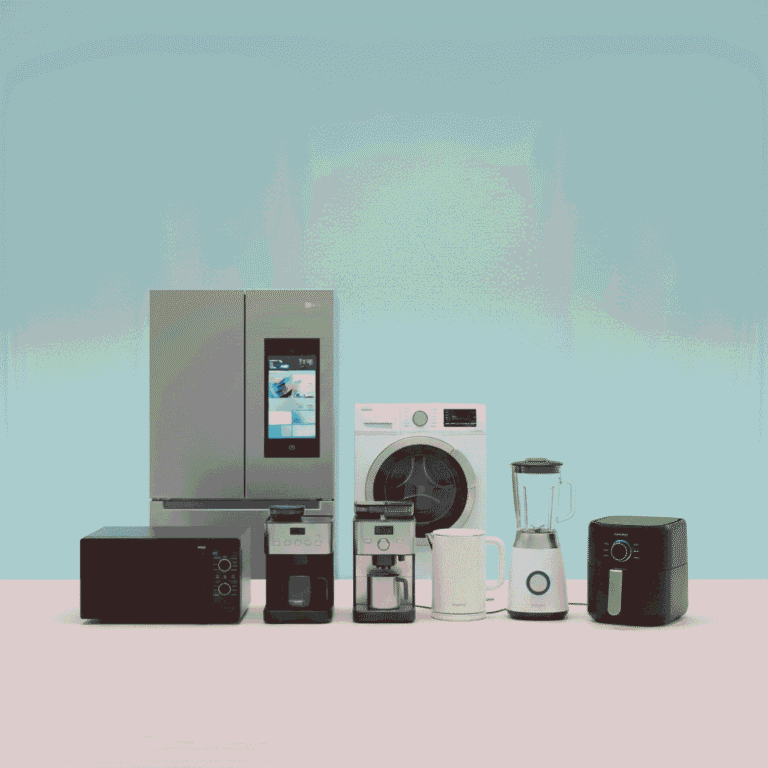
Smart Appliances are everyday household devices upgraded with internet connectivity and intelligent automation. These appliances can be controlled through mobile apps, voice assistants, or smart home hubs. Whether it’s a smart refrigerator that alerts you when groceries are low, or a smart washing machine that you can start remotely, these gadgets help save time, energy, and effort.
Smart appliances bring comfort and automation to daily tasks, making your home more efficient and user-friendly.
How Smart Appliances Work
Smart appliances connect to your Wi-Fi or Bluetooth and sync with their mobile apps. Once connected, you can:
- Start/stop appliances remotely
- Monitor usage and receive status updates
- Schedule operations based on convenience
- Use voice commands (Alexa/Google/Siri support)
- Track maintenance and receive alerts
- Control and monitor them even when away from home
Some appliances even learn your usage patterns and adjust themselves automatically.
Popular Examples of Smart Appliances
Appliance Type
Smart Refrigerators
Smart Washing Machines
Smart Microwave/Ovens
Smart Fans & Geysers
Smart Dishwasher
Examples
Samsung Family Hub, LG InstaView Door-in-Door
LG ThinQ Washer, Samsung Smart Washer
Amazon Smart Oven, Panasonic Smart Microwave
Atomberg Smart Fan, Racold Smart Geyser
Bosch Smart Dishwasher, IFB Smart Dishwasher
Advantages of Smart Appliances
- Operate from anywhere using mobile/voice
- Saves time and reduces manual effort
- Energy-efficient and cost-saving in long run
- Helpful notifications and monitoring
- Adds automation to daily household chores
- Modern features and smart scheduling
Disadvantages of Smart Appliances
- Higher price than traditional appliances
- Requires good Wi-Fi connectivity
- Not all features work without mobile integration
- Repairs or replacement parts may be costlier
Smart appliances are ideal for those who want a modern lifestyle with minimal effort. They make everyday tasks simple, quick, and automated — giving you more time for the things that matter. If you’re upgrading your home, investing in smart appliances can make a huge difference in convenience and comfort.
Conclusion
Smart home technology is no longer just a luxury — it’s becoming an everyday necessity. Each device we explored brings something valuable to your home, whether it’s comfort, security, automation, or energy savings. From smart lights that enhance your mood to smart locks and cameras that protect your home, every gadget works together to make daily life smoother and stress-free.
When these devices connect and automate your routines, your home becomes more than just four walls — it turns into a smart ecosystem that understands your lifestyle and works for you. Whether you’re just starting with a smart bulb or planning a full smart-home setup with hubs and advanced appliances, even a small upgrade can make a noticeable difference.
Investing in smart devices today means saving time, energy, and effort tomorrow. A smart home isn’t just about convenience — it’s about living smarter, safer, and better.
Now that you know the top devices that can make your home smart, it’s the perfect time to take your first step toward automation. Start with one device that fits your needs — maybe a smart speaker, smart lights, or a smart plug — and build your setup gradually.